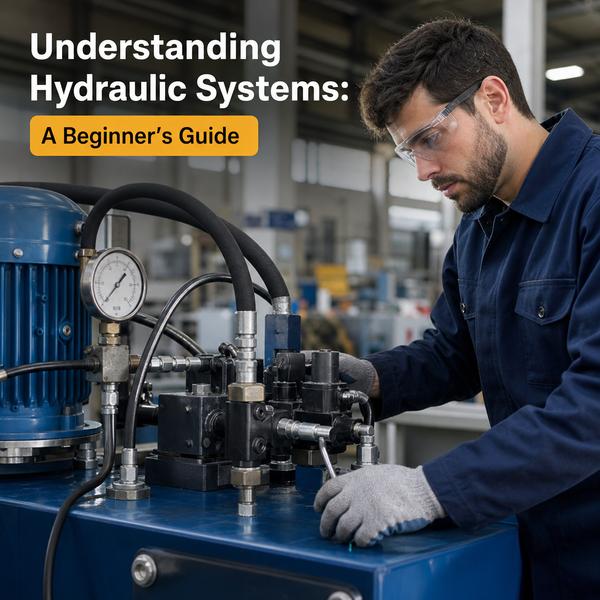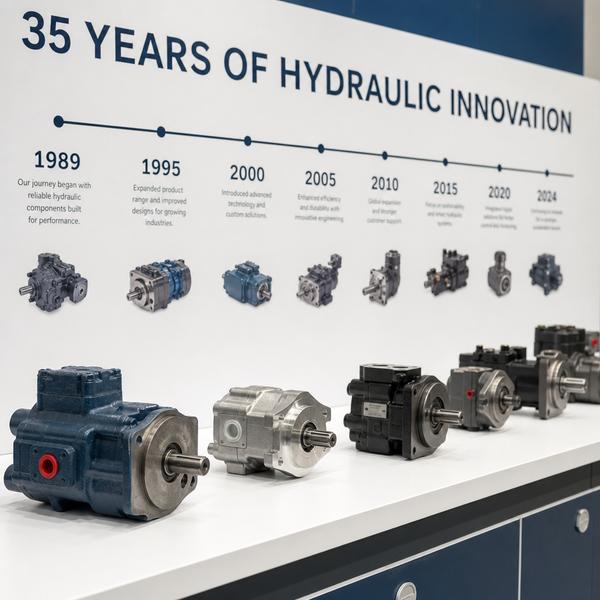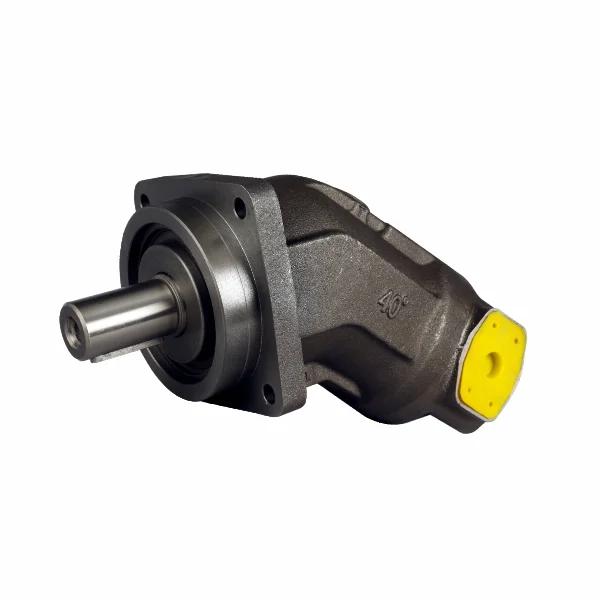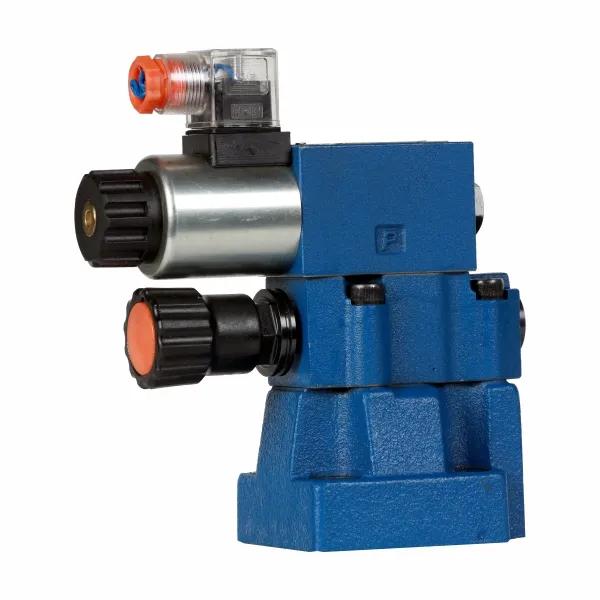

When it comes to hydraulic equipment, the stakes are high. Choosing the right hydraulic products isn’t just about finding something that fits; it's about ensuring efficiency, safety, and durability in your operations. Whether you're in construction, manufacturing, or any sector that relies on hydraulic systems, your choice can significantly impact performance. Here are five essential tips to help you select quality hydraulic equipment that meets your specific needs.
1. Understand Your Requirements
Before you even begin to shop for hydraulic equipment, it's crucial to have a clear understanding of your requirements. Consider factors such as:
- Pressure Ratings: Understand the maximum pressure your equipment will need to handle.
- Type of Fluid: Different hydraulic fluids may require specific types of materials and seals.
- Flow Rate: Determine how much flow rate is necessary for your application.
By clarifying what you need, you can avoid purchasing equipment that may not be compatible or may underperform.
2. Research the Manufacturer
The quality of hydraulic equipment largely depends on the manufacturer. Make sure to research potential suppliers and evaluate their reputation in the market. Look for:
- Experience: Established manufacturers tend to have better processes and quality assurance.
- Certifications: Check for industry standards and certifications, such as ISO quality management, which indicate credibility.
- Customer Reviews: Past customer experiences provide insights into the quality and reliability of the equipment.
For example, Coimbatore Aeration Accessories, operating since 1987, has built a solid reputation for supplying a wide range of hydraulic products, ensuring they meet the quality standards that industries require.
3. Evaluate Product Specifications
Always take the time to go through product specifications in detail. This includes:
- Performance Metrics: Look for detailed descriptions of performance, efficiency, and any limitations.
- Material Composition: Different applications may demand various materials based on exposure to heat, chemicals, or high pressure.
- Maintenance Needs: Understand what type of maintenance each piece of equipment requires to ensure longevity.
The specifications should align with your operational needs to avoid malfunctioning and costly downtime.
4. Consider After-Sales Support
After-sales support is a vital component of choosing hydraulic equipment. Make sure that:
- Technical Support is Available: Manufacturers or suppliers should offer assistance regarding installation and troubleshooting.
- Warranty and Service Agreements: Inquire about warranties and what they cover, ensuring you’re protected against defects or failures.
- Availability of Spare Parts: A reliable supplier should provide access to spare parts to minimize downtime and repair costs.
A sturdy support system can make a significant difference in how effectively you can utilize your equipment long-term.
5. Budget Wisely
While it might be tempting to opt for the least expensive option, it’s essential to consider the long-term costs associated with your purchase. Take into account:
- Initial Purchase Price: What fits your budget?
- Operating Costs: Assess the energy efficiency and potential maintenance costs.
- Resale Value: High-quality equipment often has better resale value in the long term.
Investing wisely in hydraulic products balances cost and quality, thus ensuring you don’t compromise on safety and efficiency.
Conclusion
Selecting the right hydraulic equipment involves diligent research and a thorough understanding of your needs. By following these tips, you increase the likelihood of acquiring equipment that meets your operational demands efficiently and effectively.
If you're in the market for hydraulic products, consider suppliers with established industry backgrounds and a comprehensive range of offerings, such as Coimbatore Aeration Accessories. Their expertise in hydraulic products can assist you in making well-informed decisions that enhance your operations.
Remember, quality hydraulic equipment is an investment in the safety and efficiency of your business operations, so always take the time necessary to choose wisely.
Keywords