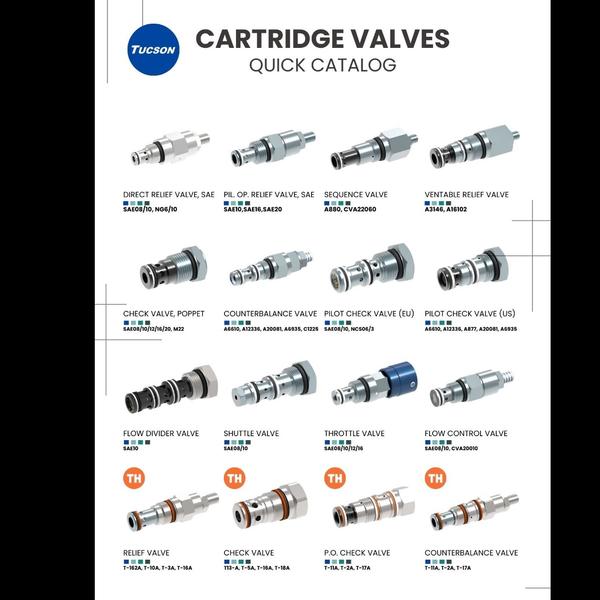

Hydraulic products have significantly impacted various industries, providing essential solutions that enhance efficiency and productivity. The evolution of these products over the decades showcases how technology and user needs have driven innovation in this field. This article delves into the key developments and trends in hydraulic products, highlighting their journey over the last 35 years.
The Early Years of Hydraulic Technology
Hydraulic systems emerged in the 1940s and 50s, primarily in construction and manufacturing applications. Early hydraulic products utilized simple technologies such as hydraulic pumps and cylinders. These initial innovations were crucial for lifting heavy loads and facilitating movement in machinery. As industries recognized the potential of hydraulics, the demand for more versatile and sophisticated products increased.
Advancements in Design and Functionality
1980s: The Beginning of Modern Hydraulic Solutions
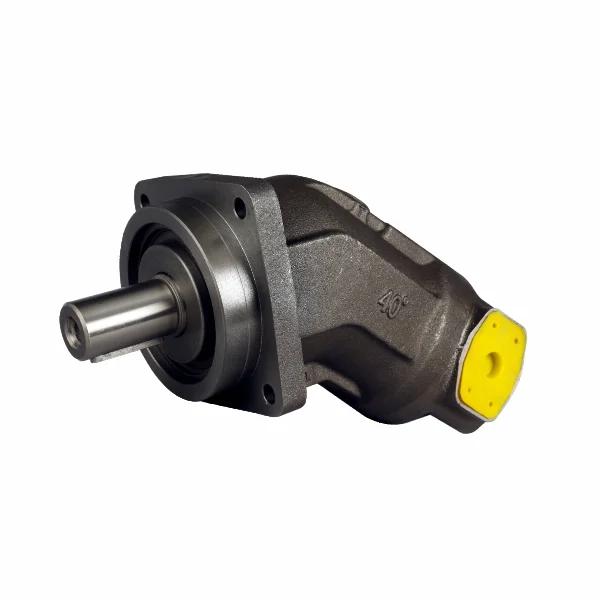
In the late 1980s, the establishment of companies like Coimbatore Aeration Accessories marked a shift in hydraulic technology offerings. Focused on supplying an array of hydraulic products, including pumps and power packs, this period witnessed the introduction of radial piston pumps which provided improved efficiency and power in compact designs. The quest for better hydraulic performance and reliability sparked advancements that would shape the industry.
1990s: The Rise of Micro-Hydraulics
As technology advanced, engineers began developing micro-hydraulic systems that allowed for the miniaturization of components. This innovation was particularly influential in fields such as robotics and automation, where space constraints were becoming a significant consideration. Hydraulic hand pumps, which offered portability and ease of use, entered the market around this time, catering to diverse user requirements.
The Role of Material Science
2000s: Enhanced Durability Through New Materials
With the advent of more robust materials and design techniques, hydraulic products experienced a new wave of improvement in durability and performance. Manufacturers started utilizing advanced alloys and synthetic materials, which enhanced resistance to wear and corrosion. This change not only extended the lifespan of hydraulic components but also improved their performance in demanding industrial environments.
Technological Integration
The integration of computer technology into hydraulic systems transformed how these products were designed and operated. The introduction of diagnostics and monitoring software enabled users to maintain their systems more effectively. This led to increased reliability and reduced downtime in numerous applications, making hydraulic systems more appealing to industry leaders.
Current Trends in Hydraulic Products
Sustainable Solutions
As industries worldwide become more environmentally conscious, the hydraulic sector is following suit. There is a growing demand for hydraulic products that utilize sustainable practices. Companies are focusing on energy-efficient designs, biodegradable fluids, and recyclable materials.
Smart Hydraulics
Recent advances have led to the emergence of smart hydraulic systems, which incorporate IoT (Internet of Things) technology. These systems provide real-time data and analytics, allowing users to monitor system performance remotely, predict failures, and optimize operations. The implementation of automation is set to further revolutionize how hydraulic systems operate in the years to come.
The Future of Hydraulic Products
As we look forward, the hydraulic industry is expected to continue evolving. With increasing demands for high-performance, versatile solutions, manufacturers will need to innovate continuously. Collaborations between engineers, material scientists, and technology experts will likely drive the next wave of hydraulic products on the market.
Conclusion
The journey of hydraulic products over the past 35 years reflects the dynamic nature of technology and industry needs. As companies like Coimbatore Aeration Accessories continue to supply cutting-edge hydraulic solutions, the focus on quality, efficiency, and sustainability promises to shape the future of hydraulics in the coming decades. With ongoing innovation, the potential for hydraulic systems to adapt and grow is limitless, solidifying their role as a cornerstone in various sectors worldwide.
For more information on hydraulic products and to explore the latest offerings, you can connect with suppliers who have carved a niche in the market since 1987.
Keywords