
Hydraulic systems play a crucial role in various industries, providing power and efficiency in the operation of machinery and equipment. They leverage fluid mechanics to transmit power and facilitate movement, making them essential in sectors such as construction, manufacturing, and automotive. This guide aims to break down the basics of hydraulic systems, helping you understand how they function and their key components.
What is a Hydraulic System?
At its core, a hydraulic system utilizes the incompressibility of fluids to transmit force. When pressure is applied to a confined fluid, the fluid moves and, in turn, transfers this force to another point. This fundamental principle allows hydraulic systems to accomplish tasks such as lifting heavy loads, controlling machinery, and providing precise movements.
Key Components of Hydraulic Systems
Understanding the components of hydraulic systems is vital for grasping how they work. Here are the primary elements:
1. Hydraulic Fluid: This is the medium through which power is transmitted. It could be oil or water, with oil being the most common due to its lubricating properties.
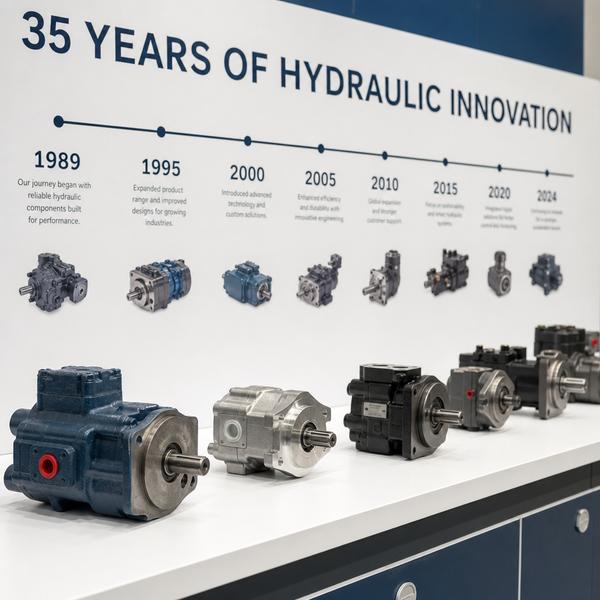
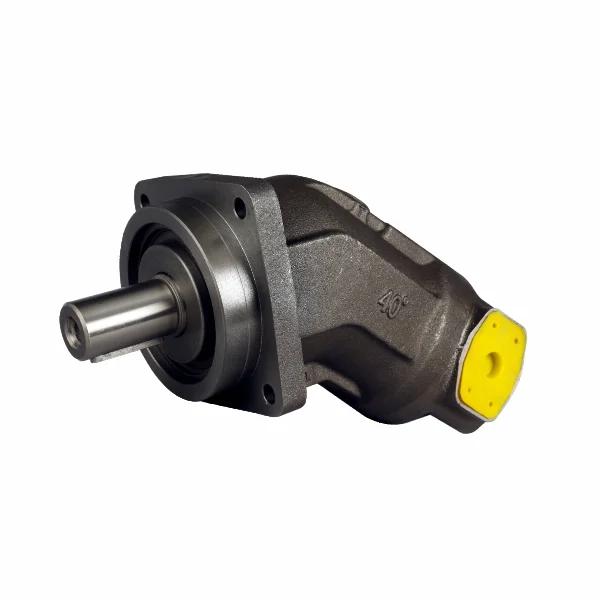
2. Pump: The heart of the hydraulic system, pumps convert mechanical energy into hydraulic energy. They move the hydraulic fluid through the system and can be categorized into various types, including gear pumps and radial piston pumps.
3. Actuator: Actuators convert hydraulic energy back into mechanical energy to perform work. They can be either hydraulic cylinders that provide linear motion or hydraulic motors that provide rotational motion.
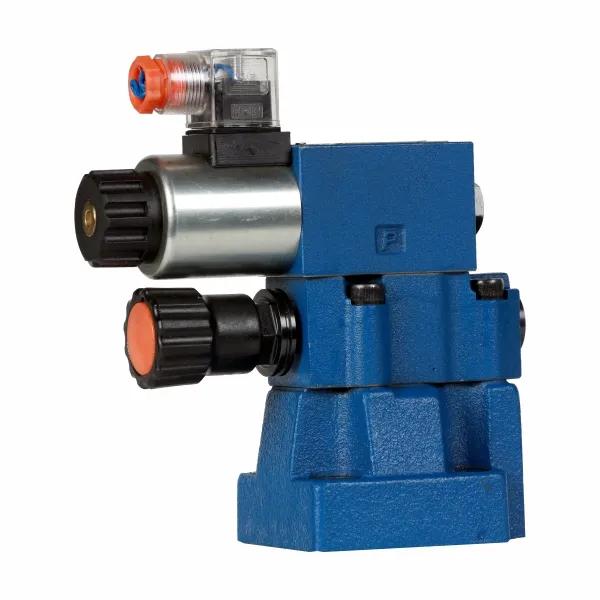
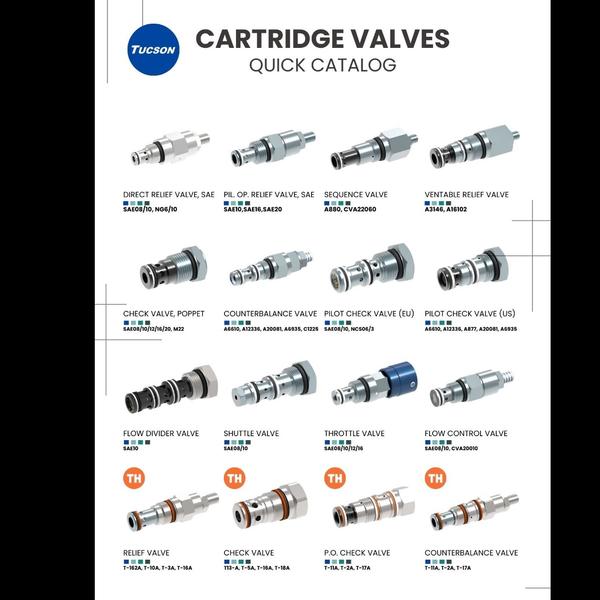
4. Valves: These control the flow and direction of the hydraulic fluid. They manage pressure and control the movement by opening or closing fluid paths.
5. Reservoir: This is where the hydraulic fluid is stored. It also allows for the fluid to cool and aids in the separation of air and contaminants from the fluid.
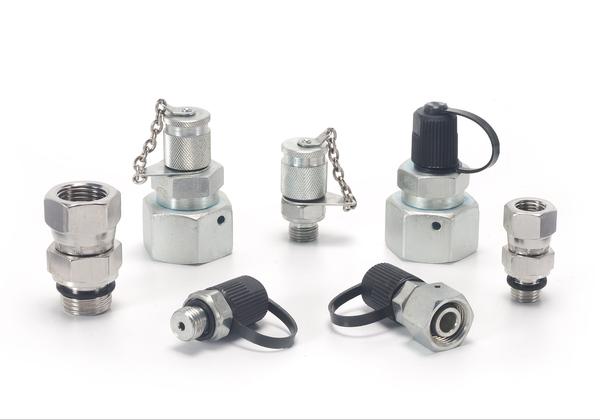
6. Hoses and Fittings: These components are crucial for transporting fluid throughout the system. They need to be robust and resistant to pressure and temperature changes.
How Hydraulic Systems Work
The operation of a hydraulic system begins with the pump drawing hydraulic fluid from the reservoir. The pump pressurizes the fluid and sends it through the system. Depending on the configuration, the fluid may be directed towards actuators or other components through valves.
When the fluid reaches the actuator, it generates a force, which can either lift an object or move machinery. By adjusting the valves, the operator can control where the fluid flows and how much pressure is exerted, enabling precise movements and actions.
Benefits of Hydraulic Systems
Hydraulic systems offer several advantages that make them popular in industrial applications:
- Powerful Force Output: Hydraulic systems can produce vast amounts of force from relatively small pumps, making them ideal for lifting and moving heavy loads.
- Precision Control: The ability to control fluid pressure and flow allows for very precise movements, making hydraulic systems suitable for applications where accuracy is crucial.
- Compact Design: Compared to electric or mechanical systems, hydraulic systems can achieve similar results in a more compact footprint, making them advantageous for space-constrained applications.
- Reliability: Hydraulic systems are known for their robust performance under heavy loads and harsh conditions.
Common Applications of Hydraulic Systems
Hydraulic systems are widely used in various industries, including:
- Construction Equipment: Hydraulic systems power machinery like excavators, bulldozers, and cranes, allowing them to lift heavy materials and perform complex tasks.
- Manufacturing: In factories, hydraulic presses and injection molding machines utilize hydraulic systems to shape and assemble products.
- Automotive: Cars and trucks often use hydraulic brakes and steering systems for better control and safety.
- Aerospace: Aircrafts use hydraulic systems for controlling wing flaps, landing gears, and other essential components.
Conclusion
Hydraulic systems exemplify how engineering principles can be harnessed to create powerful and efficient machinery. With their extensive applications and benefits, understanding how they work can empower individuals and businesses to make informed decisions regarding equipment and operations.
If you're looking for high-quality hydraulic products to implement within such systems, local suppliers can play a significant role. For instance, Coimbatore Aeration Accessories, established in 1987, specializes in a range of hydraulic components. They provide products like hydraulic radial piston pumps, gear pumps, and specialized accessories, ensuring that your hydraulic system operates at peak performance.
Whether you’re an industry professional or a curious beginner, comprehending the fundamentals of hydraulic systems can enhance your understanding and ability to leverage these tools effectively in diverse applications.
Keywords